







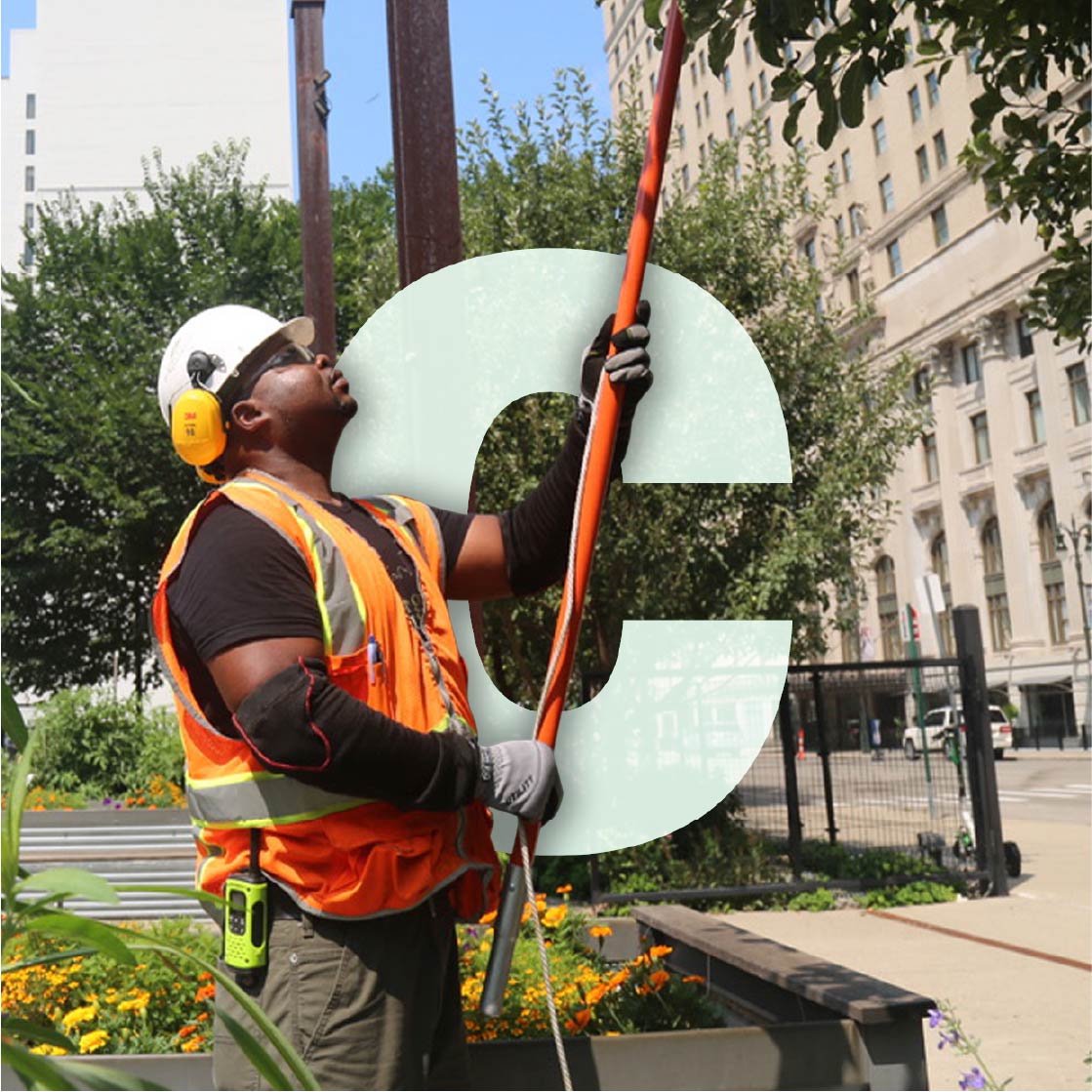
Climate change poses major challenges to the forestry sector, but it also creates opportunities. We've partnered with state and federal agencies to develop the California Cone Corps, building the pool of technicians needed to address the state's conifer seed shortage. Our Career Pathways program creates curriculum to support individuals entering the forestry sector while also partnering with nonprofits to create salaried positions, but we also actively work to recruit future forestry professionals through career fairs and outreach.

Climate change has altered America’s landscapes, transforming our forests through wildfire, drought, invasive species, pests and diseases. American Forests is leading the charge for climate-adapted restoration, convening private and public partners across jurisdictions to develop science-informed strategies that maximize the health of our forests into the future.
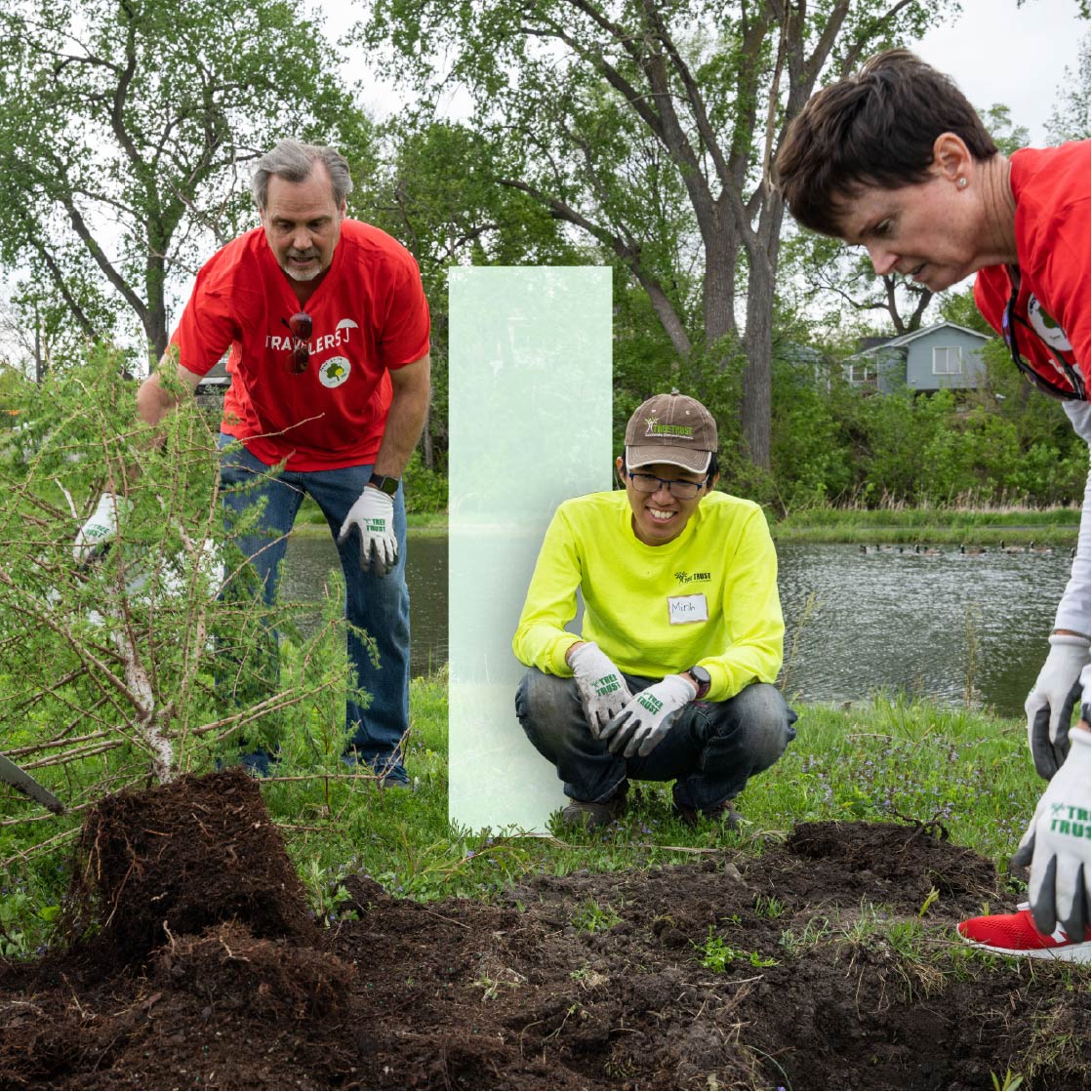
2022 has been a year of monumental investments in forest-climate solutions, through the Inflation Reduction Act of 2022, Infrastructure Investment and Jobs Act of 2021 and the commitments of corporate entities like Salesforce, American Express, Travelers Insurance, Veritree, Nespresso and more.
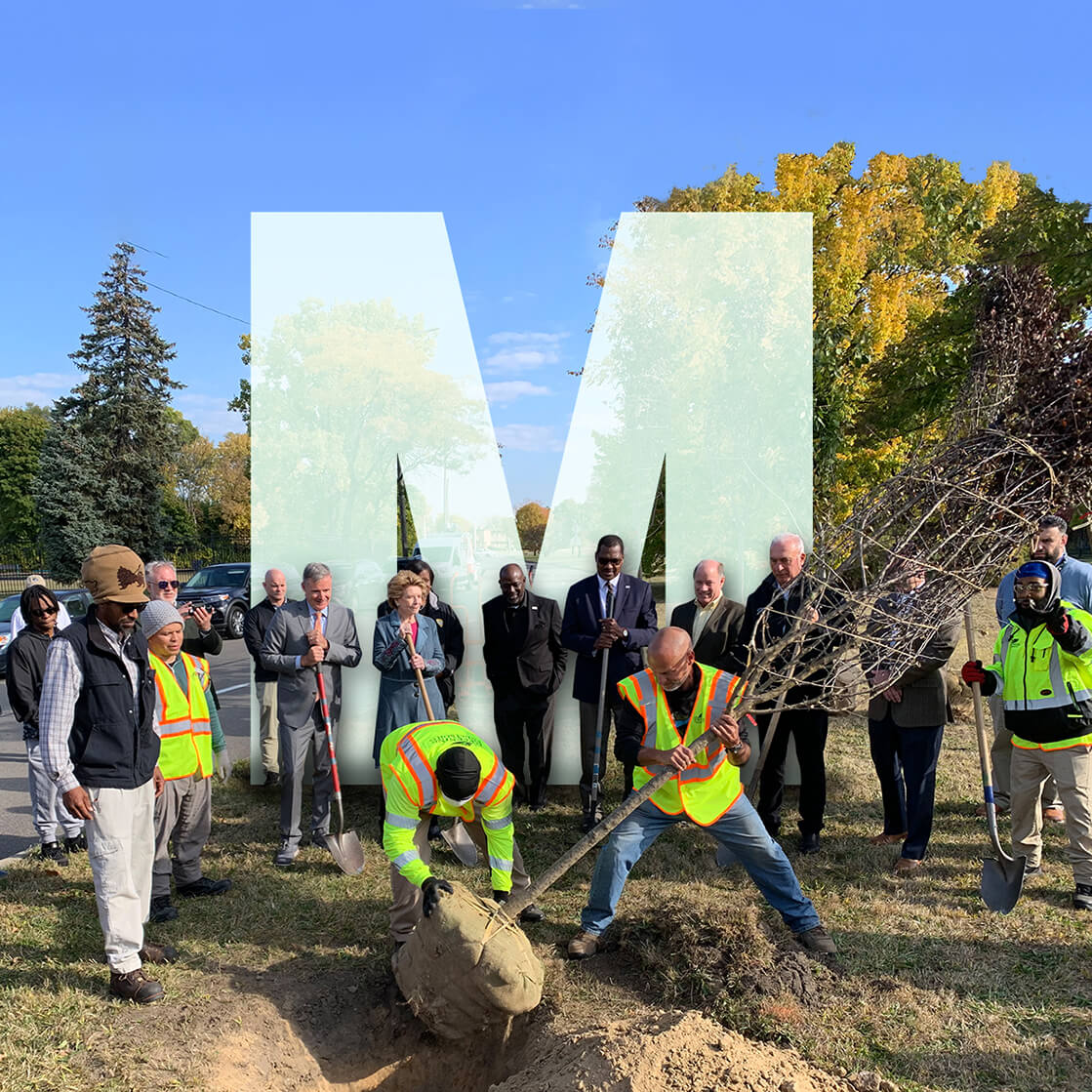
We care about how trees serve people, the impacts they have, and how they bring communities together. Such is the case in Michigan, where the Detroit Tree Equity Partnership unites industry, government and community leaders in restoring neighborhoods by planting 75,000 trees; or in Phoenix, where planting trees creates Cool Corridors to shade school-aged students, building movements isn’t only about convening like-minded individuals, it’s about elevating how climate is changing forestry, and how we need to adapt looking forward.
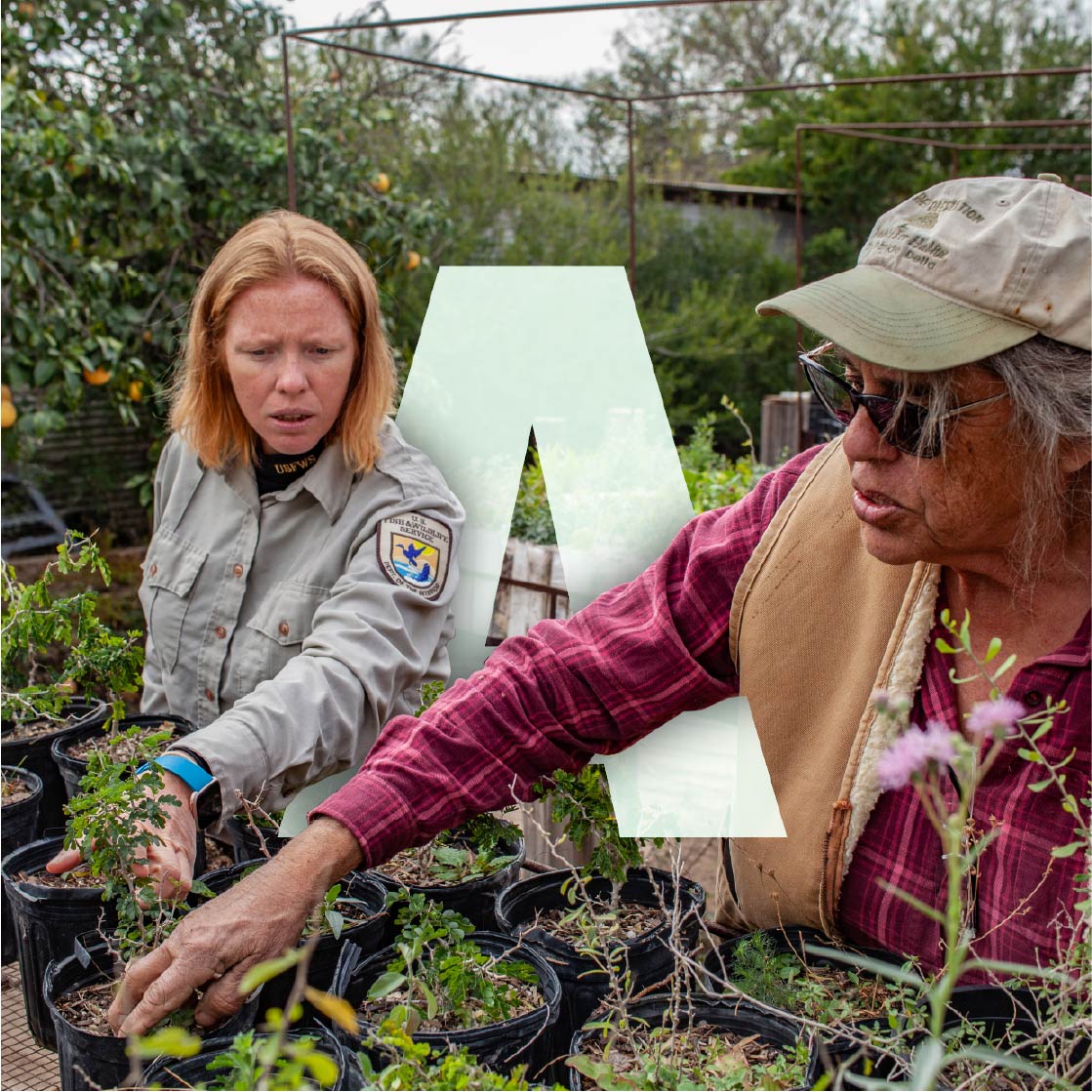
Across all landscapes, trees can make a difference, and our work reflects that. From the snow-covered cliffs where whitebark pine thrives to the thornforests of the Rio Grande Valley, American Forests staff are on the ground working with partners to ensure local expertise is integrated into all reforestation planning.
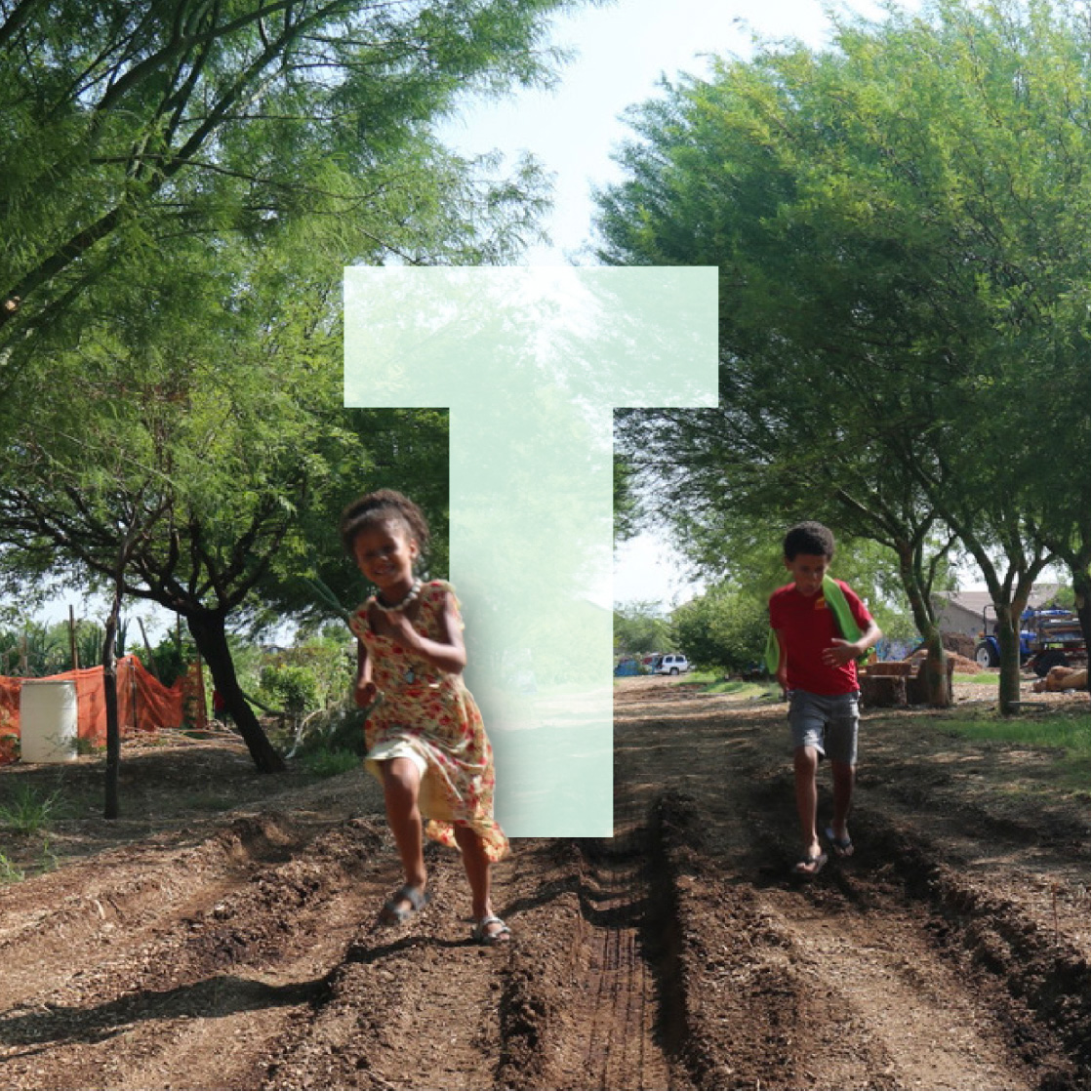
Trees are natural, life-saving infrastructure, and this year elevated the profile of the mighty tree to greater heights. From President Biden’s Earth Day Executive Order to our inaugural Seed September campaign highlighting the capacity challenges facing seed collecting and nurseries, the future of forestry is brighter thanks to this year’s commitments.

Our flagship Tree Equity Score provides deep dive analysis into neighborhoods across the country to help communities understand their tree canopy, democratizing data and empowering historically disadvantaged neighborhoods. This groundbreaking tool has taken hold as the national standard for advancing an equity-first approach to urban and community forestry – but we’ve also been on the ground in cities across the country this year, planting more than 2,100 trees in historically disadvantaged neighborhoods.